
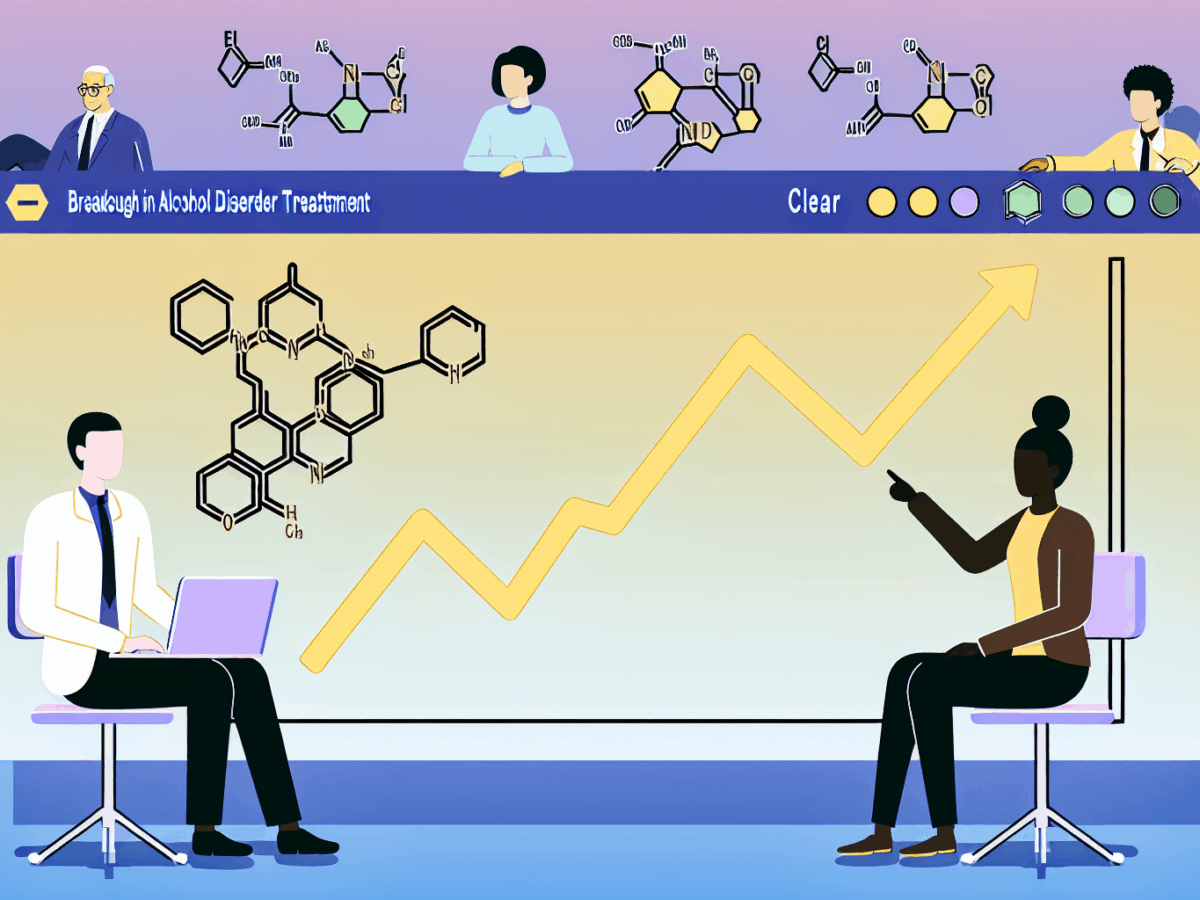
Clearmind Positive Safety Data: A Breakthrough in Alcohol-Related Disorder Treatment
Clearmind Positive Safety Data: A Breakthrough in Alcohol-Related Disorder Treatment
Have you ever wondered how new medications transform the treatment landscape for complex conditions like alcohol-related disorders? The recent Clearmind positive safety data brings fresh hope and sparks curiosity about future therapies. Understanding this breakthrough is essential, as alcohol-related disorders impact millions worldwide, yet effective and safe treatments remain limited.
Table of Contents
- What Is Clearmind’s Medication and Alcohol-Related Disorders?
- Key Steps and Strategies Behind the Study
- Addressing Six Crucial Questions
- Comparing Clearmind’s Approach to Other Treatments
- What This Study Does Not Cover
- Related Scientific Topics
- Practical Use Cases and Advice
- 12 Essential Questions and Answers
- Conclusion and Next Steps
What Is Clearmind’s Medication and Alcohol-Related Disorders?
Alcohol-related disorders encompass a range of conditions caused by excessive alcohol consumption. These disorders often result in physical, mental, and social challenges for individuals.
Clearmind’s medication targets these disorders by modulating brain pathways linked to addiction and cravings. It is designed to reduce alcohol consumption safely and effectively.
It is a promising new therapy that could redefine treatment options for alcohol-related disorders.
Key Steps and Strategies Behind the Study
- When: The recent clinical trial was conducted over several months, focusing on short- and mid-term safety.
- Who: Participants included adults diagnosed with alcohol use disorder, representing a diverse demographic.
- Why: To evaluate if Clearmind’s medication is safe for use and to monitor potential side effects.
- How: The study used rigorous monitoring, including regular health assessments and biochemical tests.
Addressing Six Crucial Questions
Who Does This Scientific Process Target?
This process primarily targets adults struggling with alcohol use disorders. Researchers also consider healthcare providers and policymakers interested in effective treatments.
What Problem Does This Research Solve?
The research addresses the lack of safe, effective medications for alcohol-related disorders. Current options often have limited efficacy or significant side effects.
What Are the Advantages of This Approach?
Clearmind positive safety data indicates fewer side effects and better patient tolerance. Additionally, the medication may enhance compliance compared to existing therapies.
What Are the Key Stages of the Study?
Initial safety trials, dosage optimization, and ongoing monitoring formed the backbone of the study. Researchers also analyzed biochemical markers and patient feedback.
Is This Process Experimental or Theoretical?
It is an experimental clinical study, providing real-world data about the medication’s safety and potential efficacy.
Can It Be Adapted for Other Applications?
Potentially, yes. The mechanisms involved in Clearmind’s medication could inspire treatments for other addiction-related disorders.
Comparing Clearmind’s Approach to Other Treatments
Unlike traditional medications like disulfiram or naltrexone, which can cause adverse reactions or limited effectiveness, Clearmind’s medication offers a novel mechanism targeting neural circuits more precisely.
Moreover, the positive safety data suggests lower risks of severe side effects, which often deter patient adherence with other drugs.
However, while promising, long-term efficacy data is still pending, which remains a limitation compared to some established treatments.
What This Study Does Not Cover
This study does not claim to provide a cure for alcohol-related disorders. It focuses solely on the safety profile of Clearmind’s medication during initial clinical phases.
Furthermore, it does not address behavioral therapies or social interventions, which remain critical complementary approaches.
Related Scientific Topics
Understanding Clearmind’s positive safety data benefits from knowledge about neuropharmacology and addiction biology. For instance, recent advances in receptor targeting help design drugs with fewer side effects.
If you want to explore more about drug design, feel free to check my detailed article on the latest trends in medicinal chemistry.
Practical Use Cases and Advice
Clinicians may soon consider Clearmind’s medication as part of personalized treatment plans. Patients should always consult healthcare providers before starting new therapies.
Moreover, combining medication with counseling tends to maximize recovery success. Remember, medication is one piece of a larger support puzzle.
For those curious about safe medication practices, always monitor for side effects and report any unusual symptoms promptly.
12 Essential Questions and Answers
1. What is the main goal of Clearmind’s medication?
To reduce alcohol cravings by targeting specific brain pathways.
2. How was the safety data collected?
Through controlled clinical trials with regular health assessments.
3. Are there any serious side effects reported?
The positive safety data shows no significant severe side effects so far.
4. How long was the medication tested?
Over several months to evaluate both short- and mid-term safety.
5. Can this medication be used alone?
It is recommended to combine it with behavioral therapies for best results.
6. Who funded the clinical study?
Clearmind Therapeutics led the funding and research efforts.
7. Is the medication approved by regulatory agencies yet?
Approval is pending further clinical trials and regulatory review.
8. How does it compare to existing treatments?
It offers a potentially safer and better-tolerated alternative.
9. What population was included in the trial?
Adults diagnosed with alcohol use disorder from diverse backgrounds.
10. Will this medication work for all patients?
Individual responses vary; medical supervision is essential.
11. Are there plans for further research?
Yes, larger and longer-term studies are underway.
12. Can this approach apply to other addictions?
Research suggests potential applicability to other substance use disorders.
Conclusion and Next Steps
The Clearmind positive safety data marks a significant milestone in treating alcohol-related disorders. This breakthrough not only highlights safer medication options but also encourages ongoing innovation in addiction therapy.
By understanding the study’s key aspects, you can appreciate its implications for future treatments. If you want to dive deeper into related scientific insights, don’t hesitate to explore more on my blog.
Discover more articles on chemistry and biology on my dedicated science blog.



No Comment